CAVA Pita Chips Calories and Nutrition
CAVA meal planning guide
Last updated: July 28, 2026
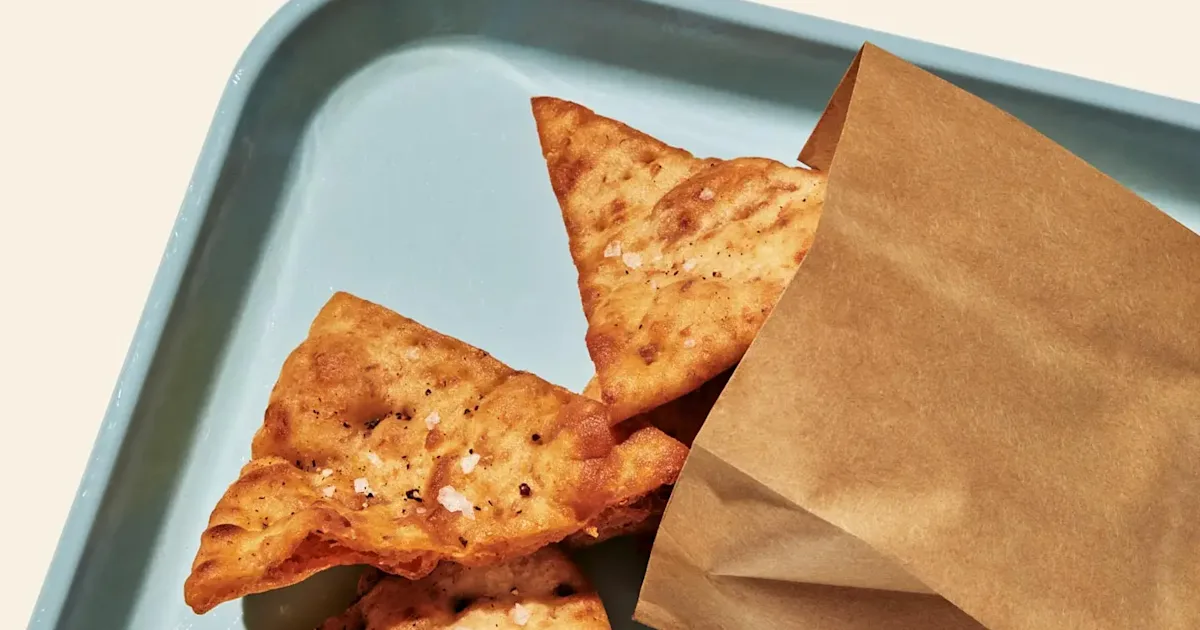
A CAVA Pita Chips side has 280 calories in this site snapshot. It is also listed with 10g protein, 41g carbohydrates, 5g fiber, 8g fat, and 630mg sodium. That full side is different from the smaller 70-calorie Pita Crisps topping used inside some bowls, and any hummus, tzatziki, Crazy Feta, or harissa served with the chips adds its own nutrition.
CAVA Pita Chips nutrition snapshot
The classic Pita Chips side is listed at 280 calories, 8g total fat, 41g carbohydrates, 5g fiber, 2g sugar, and 10g protein. The same snapshot lists 1g saturated fat and 630mg sodium. These values describe the side order by itself. They do not include a dip, a bowl, a drink, or other parts of a complete restaurant meal.
Pita chips can look like a small accompaniment, but 280 calories may be meaningful when they are added to a full bowl or pita. The 41g carbohydrate total makes the side more comparable to a bread or starch choice than to a low-calorie garnish. Its 10g protein and 5g fiber are useful context, but they do not make calories and sodium disappear.
- Calories: 280 for the classic side order.
- Protein: 10g.
- Carbohydrates: 41g, including 5g fiber.
- Fat: 8g, including 1g saturated fat.
- Sodium: 630mg.
Pita Chips and Pita Crisps are different entries
The calculator separately lists Pita Crisps as a topping at 70 calories, 11g fat, 25mg sodium, 6g carbohydrates, and 1g protein in the current snapshot. The side order of Pita Chips is listed at 280 calories. The names sound similar, but the portion and nutrition records are not interchangeable, so choose the entry that matches what appears in your order.
If a curated bowl includes Pita Crisps, its published bowl total already accounts for that standard topping. Adding a separate side of Pita Chips creates another item and should be counted separately. Conversely, ordering only the side does not mean you received four exact topping portions; restaurant products and serving definitions should not be converted through simple multiplication unless CAVA explicitly defines them that way.
Dips can change the snack quickly
The component snapshot lists hummus at 50 calories, tzatziki at 30, Crazy Feta at 70, and harissa at 70 per listed serving. Pairing one serving of dip with the 280-calorie chips therefore creates a different total from eating the chips alone. Multiple dips, extra portions, or using part of a dip from another meal can make the actual combination harder to estimate.
Build the chips and each selected dip as separate calculator components. This helps you compare options without labeling one dip as automatically better. Hummus, tzatziki, Crazy Feta, and harissa differ in fat, sodium, protein, ingredients, and allergens as well as calories. The best fit depends on what you order and which nutrition or ingredient details matter to you.
How Pita Chips compare with a Side Pita
A whole Side Pita is listed at 320 calories, 54g carbohydrates, 6g fiber, 6g fat, 13g protein, and 700mg sodium. Classic Pita Chips are 40 calories lower, with fewer carbohydrates and protein but slightly more fat. The difference is modest enough that texture, portion use, and the dips you add may matter more than choosing from calories alone.
There is also a separate quarter Side Pita entry at 80 calories. That smaller portion is much lighter than the 280-calorie chips side and may suit someone who wants a little bread with a bowl. Confirm which portion you are ordering, because logging the quarter pita when you ate the whole pita or chips would substantially understate the meal.
Sodium, preparation, and allergens
The classic chips are listed at 630mg sodium before dips. Adding a prepared spread can raise the combined sodium, and the rest of a bowl or pita may contribute much more. If sodium is a planning priority, review the entire meal rather than evaluating the chips in isolation. A side can be a meaningful share of the total even when it is not the entree.
Pita ingredients and shared restaurant preparation may matter for wheat or other allergen concerns, while individual dips can introduce dairy, sesame, or additional ingredients. Nutrition numbers do not establish allergy safety. Check CAVA's current ingredient and allergen resources and speak with staff about cross-contact when an allergy, intolerance, or strict dietary restriction affects your choice.
How to add Pita Chips to a complete meal calculation
Calculate the bowl or pita first, then add the 280-calorie Pita Chips side as a separate item. Add every dip you expect to use and choose the closest listed serving. If the chips are shared, estimate the portion you personally ate instead of automatically assigning the full side to every diner. A clear itemized calculation is more useful than hiding the side inside an entree estimate.
After totaling the meal, review carbohydrates, fiber, protein, fat, and sodium alongside calories. If the result exceeds your target, compare the full side with the smaller pita portion or decide whether a dip is essential. Restaurant portions and recipes can vary, so use the calculation for planning and confirm current official values when precision is important.
Before you order
This independent guide is for planning and comparison. Restaurant menus, portions, recipes, suppliers, and allergen details can change, so verify nutrition-sensitive decisions with official CAVA resources before ordering.